
Lapis Lazuli Earrings for Sensitive Ears: A Buyer's Guide
Last Updated: November 24, 2026
Quick Summary
Lapis lazuli earrings for sensitive ears work best with implant-grade titanium, niobium, or solid 14K+ gold hardware, since the stone itself is not the problem but the metal is. Surgical steel contains nickel, often 8-12 percent, and is not hypoallergenic despite its name. Choose a bezel setting and a light, low-profile pair to reduce lobe irritation.
Nickel is the most common cause of allergic contact dermatitis, per the American Academy of Dermatology.
Implant-grade titanium (ASTM F136) is essentially nickel-free and the top tier for reactive ears.
Natural lapis is uneven in color and often shows pyrite flecks and white calcite streaks.
Bezel settings protect the stone and keep a low profile against the lobe.
Store lapis away from direct sun and heat, which can dull the color.
Which metal suits your sensitive ears?
HietalaJewelry offers natural lapis lazuli beads in briolette, rondelle, and marquise cuts with free US delivery.
Table of Contents
What Are Lapis Lazuli Earrings for Sensitive Ears?
Lapis lazuli earrings for sensitive ears pair a deep blue natural gemstone with posts and backings made from metals that do not trigger reactions in reactive earlobes. The stone supplies the color; the metal hardware decides whether you can actually wear them.
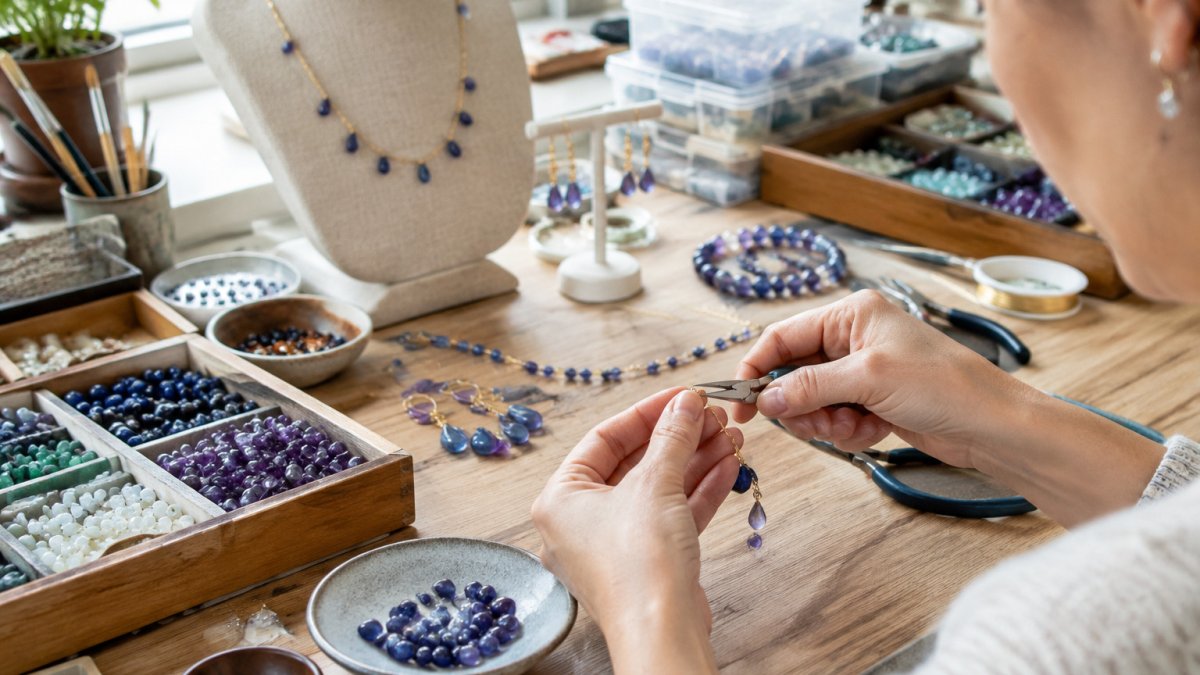
At HietalaJewelry, we work with natural lapis lazuli in briolette, rondelle, and marquise shapes, and the question we hear most often is whether a pair will irritate the wearer's ears. The answer depends on three things: the post material, the setting style, and the weight of the finished piece.
A stunning royal blue stone set on a nickel alloy post will still leave your lobes red and itchy by lunchtime. A well-made titanium post with a modest lapis drop can be worn comfortably for hours.
Below, we break down which metals work, how to spot treated stones, and how to choose a pair you will actually keep wearing.
Best Earring Metals for Sensitive Ears
Titanium, niobium, and gold-filled hardware are commonly recommended for sensitive ears, while sterling silver can suit mildly sensitive wearers.
Why metal matters: the mechanism behind the itch
According to the American Academy of Dermatology's guidance on nickel allergy, nickel is the most common cause of allergic contact dermatitis, and it is present in a huge share of inexpensive jewelry. The practical consequence: a pair that felt fine for a year can suddenly start causing trouble, because sensitization accumulates with repeated exposure. Once sensitized, the response tends to persist.
Metal grades compared: medical grade versus the rest
"Titanium" and "surgical steel" are not interchangeable, and the gap between them is where most buyers get burned.
Implant-grade titanium (often sold as medical-grade, ASTM F136): essentially nickel-free, biocompatible enough for surgical implants, and lightweight. This is the top tier for reactive ears.
Commercially pure titanium (grades 1-4): also very low nickel, widely used in body jewelry, and a solid choice when implant-grade is unavailable.
Niobium: nickel-free and inert, anodized for color without a plating layer that flakes. Softer, so styles are fewer.
Surgical steel (316L): contains nickel, often 8-12 percent, and is not hypoallergenic despite the reassuring name. It resists corrosion, which is why it is used in instruments, but corrosion resistance is not the same as nickel-free.
Solid 14K+ gold: no nickel in solid form; heirloom-grade and safe for most reactive wearers. Gold plating over a nickel alloy is not the same thing and will wear through.
Gold-filled: a thick bonded layer of gold over a base metal, far more durable than plating, but the core is still exposed at wear points over years.
Sterling silver: 92.5 percent silver with copper in the alloy; some wearers react to the copper rather than nickel. Fine for mild sensitivity, second-tier for the most reactive.
Metal | Nickel Content | Best For | Watch Out For |
Implant-grade titanium | Essentially none | Highly reactive ears, 24/7 wear | Limited design variety |
Niobium | None | Very sensitive lobes, color options | Softer metal, fewer styles |
14K+ gold (solid) | None in solid form | Heirloom pieces, daily wear | Cost; plated is not the same |
Gold-filled | None in the gold layer | Budget-friendly lasting option | Wears through over years |
Surgical steel (316L) | Often 8-12 percent | Short-wear fashion pieces | Not hypoallergenic despite the name |
Sterling silver | Trace in some alloys | Most wearers, affordable | Tarnish, copper content |
Titanium and Niobium Posts
The practical difference comes down to availability: titanium is easier to find in standard stud and dangle styles, while niobium shows up more in handmade and artisan pieces. Both resist corrosion, both are lightweight, and neither relies on a coating that can wear away.
Gold-Filled and Sterling Silver Options
Gold-filled metal is not the same as gold-plated: gold-filled bonds a thick layer of gold to a base metal, while plating is a thin wash that wears through. For a full breakdown, see our guide to gold filled versus gold plated jewelry.
Titanium Lapis Lazuli Earrings: The Lowest-Irritation Choice
The setting does as much work as the metal. A bezel-set stone sits inside a rim of metal, which protects the lapis from chipping and keeps the earring's profile low against the lobe. Prong settings show more of the stone but catch on hair and clothing, and that tugging is a quiet source of earlobe irritation over time.
Silver Lapis Lazuli Earrings for Sensitive Ears
For wearers who want the silver look without the risk, gold-filled hardware is a middle path: a thicker gold layer than plating, at a fraction of solid gold cost.
How to Tell Real Lapis Lazuli from Treated or Fake Stones
Natural lapis lazuli is typically uneven in color and often shows pyrite inclusions and white calcite streaks.

The three-part visual test
Run these in order under bright, neutral light, ideally near a window rather than under warm indoor bulbs.
Color variation. Natural lapis is a mix of deep blue, lighter blue, and near-navy across a single strand. Beads in the same strand are never identical. If every bead is the same flat royal blue, suspect dyeing or a reconstructed block.
Pyrite flecks. Look for small metallic gold specks, usually irregular and scattered rather than evenly spaced. Natural pyrite reads brassy and slightly reflective; painted or foiled imitations look flat or too uniform.
Calcite streaks. White or pale gray marbling is normal in natural lapis and is often deliberately minimized in high-grade stones. A stone with zero white and zero gold flecks is either top-grade or not lapis; the price should tell you which.
Treatments and imitations to recognize by name
Dyed lapis: low-grade stone or jasper dyed blue. The dye often pools in cracks and looks darker along fractures; a white cotton swab with a little acetone on an inconspicuous spot may pick up color, though this is a destructive test and should be done only on a bead you own.
Reconstructed or block lapis: ground stone or resin pressed into blocks. It lacks the internal texture of natural stone and can look slightly plastic under strong light.
Dyed jasper and sodalite: common lookalikes. Sodalite is bluer with white veining but usually lacks pyrite; dyed jasper is too even in color.
Wax or oil treatment: used to deepen color and hide surface cracks. It is not always disclosed, and it can dull over time.
Ask the seller directly whether the color is natural or enhanced, and whether the stone is solid lapis or a reconstructed block. A supplier who cannot answer specifically is telling you something. If you want a deeper side-by-side walkthrough, our comparison of lapis lazuli versus dyed jasper covers the visual tells in detail.
Price as a sanity check
Watch out: acetone and other solvents can damage dyed or waxed stones and may dull a natural finish, so test only on a bead you are willing to lose.
Earring Weight, Settings, and Lobe Health
Earring weight matters more than most buyers expect. Heavy dangles pull on the piercing and can stretch the lobe over time, and a stretched piercing is uncomfortable no matter how inert the metal is. Lighter stones and lower-profile settings reduce that pull.
Bezel settings protect the stone and sit close to the ear. Prong settings expose more of the lapis and let light through, which flatters the color, but they snag more easily. Our article on prong and bezel settings explains how each style balances beauty against protection.
If you wear earrings daily, favor studs and small dangles over long drops. Save the statement pieces for occasions, and give your lobes a break now and then.
Caring for Lapis Lazuli Earrings
Store lapis away from direct sun and heat, since prolonged exposure can dull the color. Remove earrings before swimming, showering, or applying perfume and lotion, because residues build up on the stone surface and around the setting. For full cleaning and polishing instructions, follow our guide on how to clean and polish handmade earrings safely.
Choosing Your Lapis Lazuli Earrings from HietalaJewelry
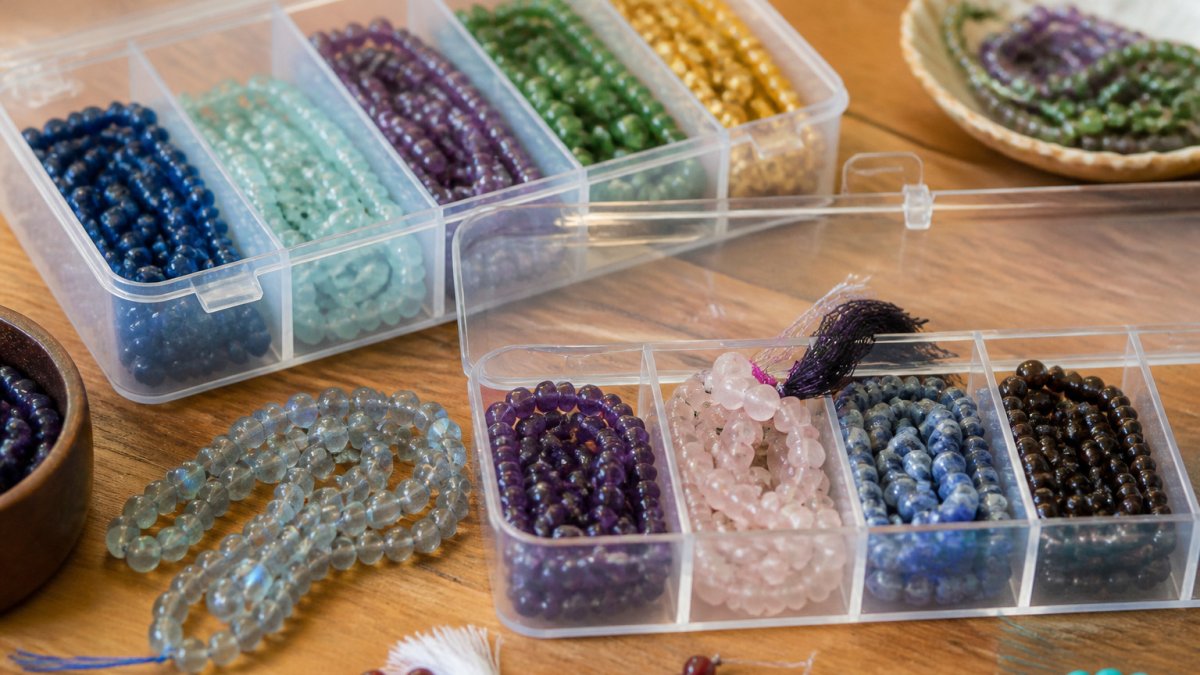
We offer natural lapis lazuli beads in briolette, rondelle, and marquise cuts, along with amethyst and sapphire, with free delivery within the USA. Pricing depends on quantity, dates, and delivery, so visit our website for current prices or a quote. If you are ready to browse, explore our lapis lazuli gemstone beads and see the actual stones before you buy.
Sensitive ears and beautiful stones should not be a trade-off. HietalaJewelry sources natural gemstone beads in the shapes designers actually use, with free delivery within the USA and sale pricing that keeps premium materials within reach. Browse the current selection, confirm the post material on the finished piece, and build a pair your lobes will thank you for.
Frequently Asked Questions
What earring metals are best for sensitive ears?
Titanium and niobium are the safest choices because both are biocompatible and nickel-free by nature. Medical-grade titanium is the most widely recommended post material for contact dermatitis and metal sensitivity. Gold-filled and sterling silver work for many people, but sterling silver contains a small amount of alloy that can trigger earlobe irritation in highly sensitive wearers. Avoid costume jewelry with unknown base metals.
Are lapis lazuli earrings available with titanium posts?
Yes. Titanium lapis lazuli earrings pair a nickel-free titanium post with bezel-set natural gemstone stones. Ask the seller to confirm the exact post grade, not just the word titanium. A bezel setting also protects the stone's edges, which matters for a softer gemstone like lapis lazuli that can chip if knocked against a prong.
How can I tell whether lapis lazuli earrings will irritate my ears?
Check the post material first: titanium, niobium, or gold-filled are the lowest-risk options. Then check the finish and weight. A durable finish on a lightweight stud reduces friction and pulling on the earlobe. If you have a history of contact dermatitis, test a new pair for a few hours before wearing them all day, and clean the posts with rubbing alcohol before the first wear.
How should I care for lapis lazuli earrings?
Keep lapis lazuli away from water, perfume, and household cleaners, since the stone is porous and can lose its polish. Wipe the stones with a soft dry cloth and clean only the metal posts with a damp cloth. Store the earrings in a soft pouch separate from harder stones to prevent scratches, and remove them before showering or swimming.
Comments