
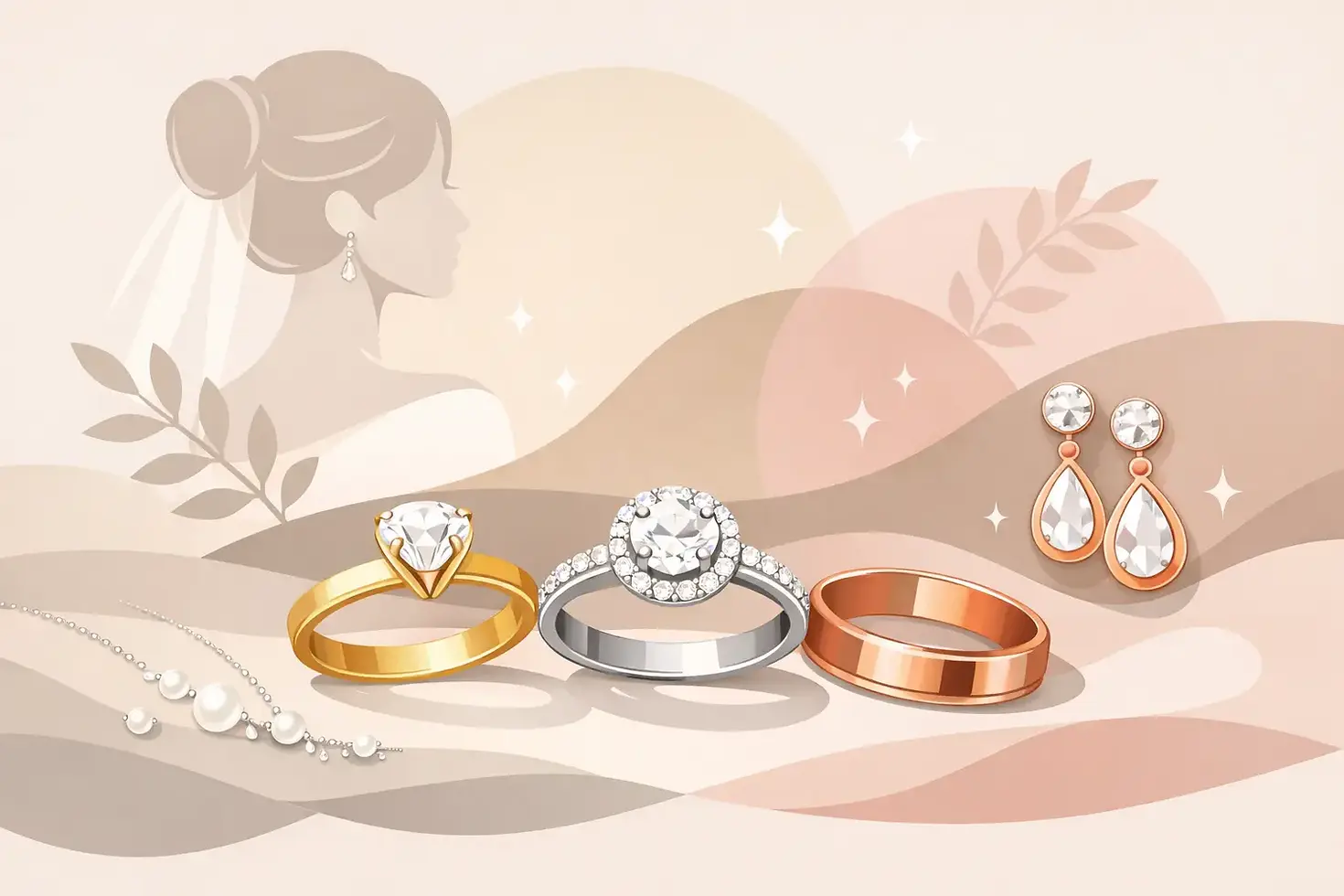
A Guide to Bridal Jewelry Metals
Choosing a bridal metal is one of those decisions that seems simple until you are holding two nearly identical rings and one feels unmistakably right. This guide to bridal jewelry metals is designed to make that choice clearer, with a close look at how each metal wears, what it complements, and where beauty and practicality meet.
For bridal jewelry, metal is never just a backdrop. It shapes the color of a diamond, changes the mood of a gemstone, affects long-term maintenance, and often determines how a piece will look after years of daily wear. If you are choosing an engagement ring, wedding band, or a meaningful bridal gift, the right metal should feel lasting in every sense - visually, structurally, and emotionally.
Guide to Bridal Jewelry Metals: What Matters Most
Most shoppers begin with color. White metals feel crisp and classic. Yellow gold carries warmth and tradition. Rose gold brings softness and a romantic glow. But color alone is not enough. The better question is how that metal will live with you over time.
Durability matters because bridal jewelry is worn more than almost any other fine jewelry. A ring may be exposed to hand washing, lotions, gardening, travel, and years of everyday motion. Comfort matters too, especially for bands worn continuously. Then there is maintenance. Some metals develop a soft patina, some need occasional replating, and some resist wear better from the start.
Budget is naturally part of the conversation, but value should be looked at with a wider lens. A lower initial price does not always mean lower lifetime cost, especially if a metal requires more upkeep or is less suited to the design you want. In a handcrafted piece, the metal and the workmanship should support each other.
Platinum: Enduring and Naturally White
Platinum has long been favored for bridal jewelry because it is dense, naturally white, and exceptionally secure for stone settings. It does not need rhodium plating to maintain its color, which is one reason many buyers appreciate its quiet dependability. In prong settings, especially for diamonds and valuable natural gemstones, platinum offers a reassuring sense of strength.
Its weight is part of its character. Some people love the substantial feel of platinum on the hand because it reads as unmistakably fine jewelry. Others prefer something lighter. That is one of the true trade-offs - platinum feels luxurious, but it is not as airy as gold.
Over time, platinum develops a patina rather than wearing away in the same way some other metals do. Many people find that finish beautiful, especially in heirloom-inspired or art deco styles, because it gives the ring a lived-in elegance. If you prefer a brighter surface, a jeweler can restore its polish. Platinum is often a strong choice for someone who wants a white metal with longevity and a classic bridal presence.
White Gold: Bright, Versatile, and Popular
White gold is one of the most common choices for bridal jewelry, and for good reason. It offers a bright white look, works beautifully with diamonds and cool-toned gemstones, and is usually more accessible in price than platinum. It also allows for a wide range of designs, from delicate solitaires to intricate vintage-inspired settings.
White gold is typically alloyed with other metals and finished with rhodium plating to achieve its bright white surface. That means maintenance should be part of the decision. Over time, the plating can wear, especially on rings worn daily, and the piece may need replating to restore its original brightness.
That does not make white gold a lesser option. It simply means it suits buyers who are comfortable with occasional upkeep in exchange for a refined, luminous look. If you love the appearance of platinum but want more flexibility on budget or design, white gold often strikes that balance very well.
Yellow Gold: Classic Warmth That Never Looks Out of Place
Yellow gold remains one of the most timeless choices in bridal jewelry. It has a natural richness that flatters many skin tones and pairs especially well with vintage, heirloom, and gemstone-centered designs. If you are drawn to old-world elegance or want a ring that feels warm rather than icy, yellow gold has an ease that never looks forced.
It is also practical in ways people sometimes overlook. Yellow gold does not rely on rhodium plating for its color, so its appearance is more stable over time. Small scratches can blend more naturally into its warm finish, which can make daily wear feel less stressful.
The karat matters here. Fourteen-karat gold is often chosen for bridal jewelry because it balances durability with rich color. Eighteen-karat gold has a deeper, more luxurious tone and higher gold content, but it is somewhat softer. Neither is universally better. If you want a ring for very active daily wear, 14k may be the wiser fit. If your priority is color richness and fine-jewelry character, 18k can be especially beautiful.
Rose Gold: Soft Color with Character
Rose gold has earned lasting appeal because it feels both distinctive and timeless. Its blush tone is created by adding copper alloys to gold, giving it warmth and personality without straying into trend-driven territory. In bridal jewelry, rose gold can feel especially romantic, and it pairs beautifully with morganite, diamonds, peach sapphires, and many vintage-inspired settings.
One advantage of rose gold is that it tends to be durable, thanks in part to its alloy composition. It also does not require rhodium plating, which keeps maintenance relatively straightforward. The main consideration is personal preference. Rose gold has a more noticeable color identity than yellow or white metals, so it should feel genuinely like you, not just appealing in the moment.
For some brides, rose gold is the perfect middle ground - softer than yellow gold, warmer than white gold, and deeply flattering on the hand. For others, it may be better as an accent metal rather than the primary choice. It depends on your style, your wardrobe, and whether you want your bridal jewelry to blend quietly or speak with more individuality.
Sterling Silver: Beautiful, but Usually Better Beyond the Ring Stack
Sterling silver can be lovely in bridal-adjacent jewelry such as earrings, pendants, or special occasion bracelets. It has a bright, elegant appearance and can be an appealing choice for wedding day styling. For everyday bridal rings, however, it is generally less ideal than platinum or gold.
Silver is softer and more prone to scratching and bending over time, especially in delicate ring settings. It can also tarnish, which means more frequent care. That does not diminish its beauty. It simply places silver in a different category when you are choosing a piece meant for constant wear and generational longevity.
If you love the look of silver-toned jewelry, white gold or platinum often delivers a similar visual effect with greater durability. Silver can still play a graceful role in a bridal wardrobe, especially for coordinated accessories that do not face the same wear as a ring.
Matching Metal to Gemstone, Style, and Daily Life
The best guide to bridal jewelry metals is not just about metal in isolation. It is about harmony. A diamond in platinum or white gold often looks crisp and bright. Yellow gold can make a near-colorless diamond feel warmer and more antique in character. Sapphires, emeralds, moonstones, and other natural gemstones each respond differently to metal color, and the setting should enhance the stone rather than compete with it.
Style matters just as much. Minimalist solitaires often feel striking in platinum or white gold. Heirloom-inspired designs can glow in yellow gold. Art deco details may benefit from the sharp contrast of a white metal, while floral or romantic motifs often come alive in rose gold.
Then there is lifestyle. If you work with your hands, exercise often, or rarely remove your ring, durability should rise to the top of the list. If you already wear mostly yellow-toned jewelry, your bridal set may feel more natural in yellow gold. If you value low maintenance, platinum or yellow gold may be more appealing than white gold. The right answer is usually found where beauty and habits align.
A Final Word on Choosing Well
Bridal jewelry marks a beginning, but the piece itself should be made for the long middle - the ordinary days, the celebrations, the years that give it meaning. When you choose a metal with care, you are not only choosing a color or a price point. You are choosing how that ring will age beside you, how it will hold its beauty, and how it may someday be handed forward with its story still intact.


Comments