

8 Engagement Ring Gemstone Examples
A diamond may be traditional, but it is hardly the only meaningful choice for a ring meant to last a lifetime. When couples begin looking at engagement ring gemstone examples, they are often balancing more than appearance alone. Color, symbolism, durability, setting style, and everyday wear all shape whether a stone feels simply beautiful or truly personal.
For many buyers, that is where gemstone engagement rings become especially compelling. A carefully chosen center stone can reflect family history, favorite colors, birthstones, or a design sensibility that feels less expected than a standard solitaire. The right choice is not about following a rule. It is about finding a gemstone that suits both the hand that will wear it and the life built around it.
Engagement ring gemstone examples worth considering
Some gemstones are chosen for their exceptional durability, while others are prized for distinctive color, rarity, or old-world charm. Each brings a different character to an engagement ring, and each asks for a slightly different approach to care.
Diamond
Diamond remains the benchmark for engagement rings because it combines brilliance with extraordinary hardness. For someone who wants a ring worn every day with minimal concern, diamond is the most practical choice. It suits nearly every design language, from refined solitaires to art deco halos and multi-stone heirloom styles.
That said, diamonds vary widely in personality. A crisp white round diamond feels different from a warm antique-cut stone or a salt-and-pepper diamond with visible inclusions. The appeal is not only sparkle. It is also permanence, tradition, and the confidence that comes with a gemstone known for enduring wear.
Sapphire
Sapphire is one of the strongest alternatives to diamond and one of the finest examples of a center stone with color. Blue sapphire is the best-known option, but sapphires also appear in pink, yellow, peach, green, white, and teal tones. This range makes sapphire especially appealing to buyers who want a ring that feels classic yet individual.
A sapphire engagement ring can read regal, romantic, or understated depending on cut and setting. Deep royal blue in yellow gold feels rich and timeless. A pale peach or parti-color sapphire in a hand-finished setting feels softer and more distinctive. For daily wear, sapphire offers an excellent balance between beauty and resilience.
Emerald
Emerald has a depth of color that few gemstones can rival. Its rich green carries a sense of history and refinement, which is why it has long been associated with notable collections and heirloom jewelry. In an engagement ring, emerald creates immediate presence.
The trade-off is durability. Emerald is not as tough as diamond or sapphire, and most stones have natural inclusions. Those inclusions are part of emerald's character, but they also mean the gem should be worn with greater care. Buyers drawn to emerald often accept that balance gladly because no other stone offers the same lush, unmistakable green.
Ruby
Ruby is a striking choice for an engagement ring and one with excellent durability for regular wear. Its red color can range from bright cherry to deep crimson, giving it a dramatic and romantic character. For some couples, ruby feels especially meaningful because it departs from convention while still carrying the prestige of a precious gemstone.
Ruby works beautifully in yellow gold, rose gold, and platinum, so the final look can shift from vintage warmth to crisp contrast. It is also a strong option for someone who wants a ring with symbolism. Red has long been associated with love, devotion, and vitality, which suits the sentiment of an engagement ring naturally.
Less traditional engagement ring gemstone examples
Not every engagement ring needs to follow the most common path. Some of the most memorable rings are built around gemstones that feel more intimate, artistic, or reflective of personal taste.
Moonstone
Moonstone is loved for its soft glow and shifting adularescence, the light that appears to float across the surface of the stone. It has an ethereal quality that suits vintage-inspired and feminine settings particularly well. In the right design, moonstone feels poetic rather than flashy.
Still, moonstone is softer than the traditional bridal gemstones. It can be a beautiful choice for someone who wears jewelry gently or reserves the ring for select occasions, but it requires thoughtful care. Protective settings and mindful wear make a difference.
Jade
Jade carries a very different beauty from faceted stones. It is smooth, rich, and often deeply symbolic, especially for those who value heritage, serenity, and meaning in their jewelry. In engagement rings, jade can feel exceptionally personal because it stands apart from mainstream bridal trends.
Its appeal lies in color and substance rather than sparkle. A vivid green jade cabochon in gold can feel elegant, artistic, and grounded in tradition. For the buyer who wants a ring with cultural significance or a more organic visual presence, jade is a compelling option.
Amethyst
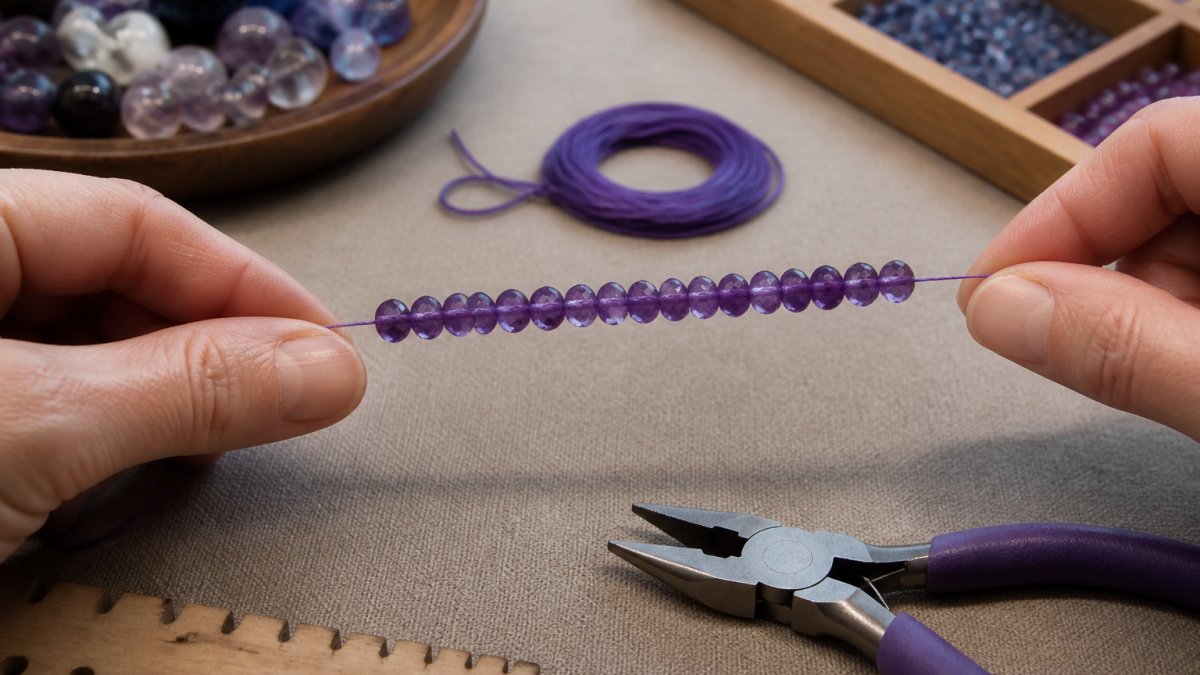
Amethyst offers royal purple tones at a more accessible price point than many precious gems. It can look refined, especially in antique-inspired settings, and it appeals to those who want color with a sense of individuality. Lavender shades feel delicate, while deeper purple stones create stronger contrast.
The main consideration is hardness. Amethyst is suitable for jewelry, but for an engagement ring worn every day, it needs a bit more caution than sapphire or diamond. Buyers who prioritize color and handcrafted beauty often find that worthwhile.
Tourmaline
Tourmaline is one of the most versatile gemstones in color. Green, pink, bi-color, and even blue-toned varieties can all create distinctive engagement rings. This wide range makes it ideal for someone who has a specific color in mind but wants something less common than sapphire.
Because tourmaline spans multiple shades and qualities, it rewards careful selection. A well-cut tourmaline with rich saturation can be extraordinary, especially in a custom or artisan-style ring. It is a gemstone for buyers who enjoy nuance and want a ring that will not look like everyone else's.
How to choose the right gemstone for daily wear
Beauty matters, but engagement rings live real lives. They are worn while driving, working, carrying bags, holding children, and moving through ordinary routines. That is why the best gemstone choice depends not only on taste, but also on lifestyle.
If durability is the highest priority, diamond and sapphire are usually the strongest candidates. Ruby follows closely and offers similar confidence for everyday use. These stones tend to suit buyers who want a ring they rarely need to remove.
If color or symbolism matters more than maximum hardness, emerald, tourmaline, jade, moonstone, or amethyst may feel more meaningful. In those cases, setting style becomes especially important. A protective bezel, halo, or lower-profile mounting can help shield the stone from daily impact.
Metal choice also affects the final impression. Yellow gold brings warmth to green, red, and blue stones and often enhances vintage character. White gold and platinum emphasize crispness and contrast. Rose gold softens pink, peach, and purple gems beautifully. When the stone and metal are well matched, the ring feels intentional rather than simply decorative.
What these gemstones say about style
An engagement ring is deeply personal, but it also speaks quietly about design preference. Diamond often suggests timeless clarity and restraint. Sapphire tends to signal confidence and individuality without losing elegance. Emerald feels collected and historic. Ruby reads bold and romantic.
Moonstone and jade usually appeal to buyers with a softer or more artistic eye. Amethyst can feel expressive and graceful. Tourmaline often attracts those who appreciate rarity, color nuance, and handcrafted distinction. None of these impressions are rules, but they help explain why one gemstone can feel instantly right while another, equally beautiful, does not.
A thoughtfully made ring should hold more than a stone. It should carry intention in the cut, the setting, and the workmanship that frames it. For buyers who value authenticity, natural gemstone character, and a piece that feels worthy of being kept and passed on, gemstone engagement rings offer remarkable room for meaning.
There is no single best answer among engagement ring gemstone examples, only the one that reflects your story with honesty and grace. Choose the stone that still feels beautiful after the excitement settles, because that is often the one you will love for years to come.

Comments