
Sourcing Unique Beads for Handmade Jewelry Designs
Last Updated: November 2, 2026
Quick Summary
Unique beads come from local bead shops, artisan markets, and vetted online sellers, each suited to different projects. Choose the bead type first, since glass, crystal, gemstone, and seed beads each have different sourcing channels and price ranges. Always order a small sample and inspect drilling, size, and color before buying in bulk.
Artisan markets often offer handmade beads you cannot find in mass-market craft aisles.
Pressed glass beads typically cost $3 to $12 per strand, according to the price table.
Order a sample strand before a bulk order to test size, color, and drilling.
Ask gemstone suppliers to disclose whether stones are natural, lab-created, or treated.
Calculate cost per usable bead, including shipping and beads discarded for defects.
Table of Contents
Finding distinctive beads is often the hardest part of making a jewelry piece stand out. Mass-market craft aisles carry the same few glass and plastic options, so makers who want something truly unique need to look beyond the usual shelves.
Unique beads are not just prettier beads. They have a shape, finish, or material that most other makers in your niche are not using.
Where Unique Beads Come From: Stores, Markets, and Online Sellers
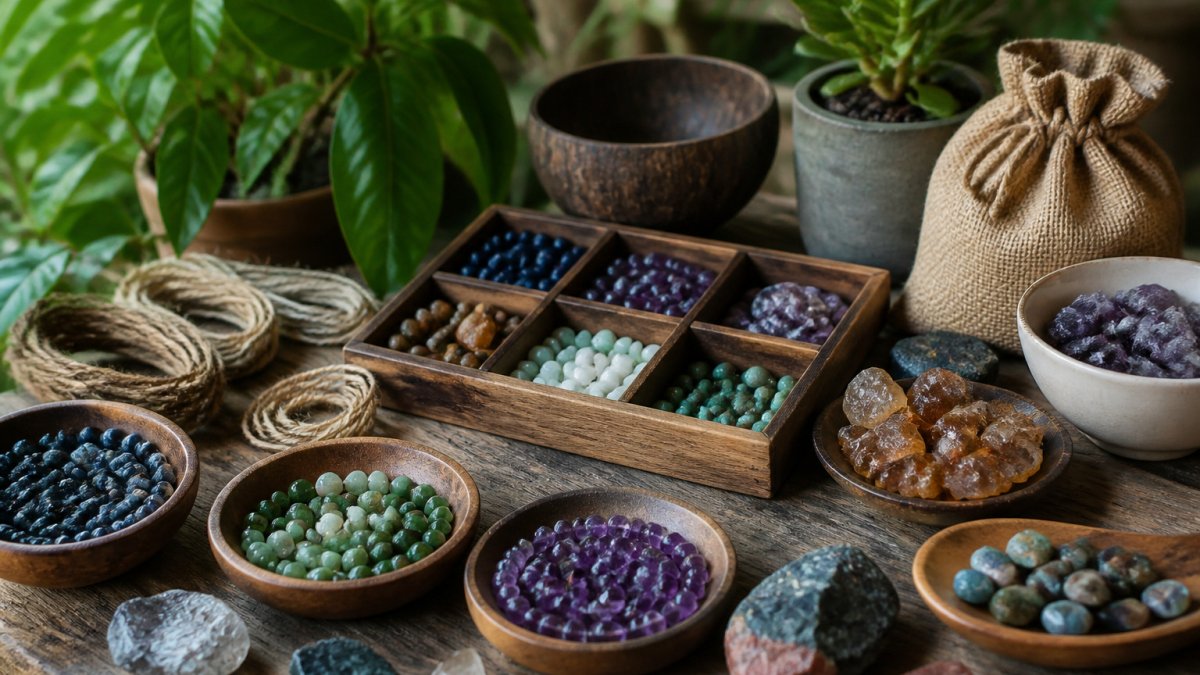
Beads come from three main channels: local stores, in-person markets, and online sellers. Each one has trade-offs in selection, price, and speed. Most experienced makers use all three, depending on the project.
Local Bead Shops and Craft Stores
Local bead shops are a good first stop because you can see and touch the beads before buying, check the drilling, feel the weight, and compare colors under natural light.
Staff often know which lines are new and which are discontinued
You can buy a single strand to test a design before committing to bulk
Shops often carry a mix of glass, crystal, and seed beads in one place
Artisan Markets and Craft Fairs
Craft fairs and artisan markets are where you find one-of-a-kind pieces. Many vendors make their own beads from glass, clay, or stone, so you may find designs you cannot get anywhere else.
Ask vendors where their materials come from
Buy a few samples first, since handmade beads can vary in size
Bring a small notebook to record vendor names and item details for reorders
Online Marketplaces and Independent Sellers
Online marketplaces give you the widest selection. You can search for specific bead types, sizes, and finishes from a range of online sellers.
Quality varies widely online. Read recent reviews, look at close-up photos, and check whether the seller lists exact dimensions. A seller who gives clear measurements and drilling details is usually more reliable than one who posts a single product photo.
Choosing Bead Types: Glass, Crystal, Gemstone, and Seed Beads
Bead type is not just an aesthetic choice, it determines where you source, what you pay per strand, and how the finished piece holds up. If you are weighing natural stones against alternatives, compare natural versus lab created sapphires for a clear side-by-side view. The table below maps each major type to its sourcing channel, typical unit economics, and best design jobs, so you can decide where to look before browsing.
Bead type | Best sourcing channel | Typical price band (USD) | Strengths | Watch-outs |
Glass (Czech, Japanese, lampwork) | Independent bead shops, artisan markets, specialty online sellers | $3-$12 per strand for pressed glass; $15-$60+ per focal lampwork bead | Wide color range, consistent sizing, affordable | Pressed glass can chip at the hole; lampwork varies bead to bead |
Crystal | Authorized brand retailers, online marketplaces | $6-$25 per strand for small bicones; $20-$80+ for larger faceted stones | High sparkle, precise faceting, strong color consistency | Foil-backed crystals can discolor with skin oils or cleaners |
Gemstone | Wholesale suppliers, gem shows, vetted online sellers | $8-$40 per strand for common stones; $40-$200+ for premium or rare stones | Natural variation, perceived value, durability | Treatments and lab-created stones are common and must be disclosed |
Seed beads | Bead shops, specialty seed bead sellers, online | $3-$10 per tube for size 11/0; $8-$20+ for specialty finishes | Uniform size, ideal for weaving and embroidery | Hole size and finish quality vary widely between manufacturers |
Match the bead to the project, not the other way around
A practical sourcing workflow starts with the project type, then narrows the bead category, then picks the channel:
Strung statement necklaces: Start with gemstone or glass focals. Source gemstone from wholesale suppliers who publish exact millimeter sizes and drill diameters; source glass focals from artisan markets where you can inspect the finish in person.
Bridal and evening pieces: Crystal is the default, but buy from authorized brand retailers so you can verify the color name and coating. Mix in seed beads only for accent spacers, since seed bead color can shift under stage lighting.
Woven or embroidered work: Seed beads are the core material. Buy one tube first and test it on your actual thread and needle, a half-millimeter difference in hole size can stop a weaving project cold.
Size and shape mechanics that affect sourcing
Bead sizing follows millimeters, and the difference between 6 mm and 8 mm is visually significant on a strand. Suppliers often list nominal size, and actual beads can differ slightly from that figure. For rondelles and marquise cuts, ask for the measurement method, caliper-measured stock is more reliable than hand-estimated listings. Hole size matters just as much: 0.8 mm holes fit most beading wire, but leather cord and heavier wire need 1.2 mm or larger, and small-holed gemstone beads are the most common cause of broken strands.
Color and texture combinations that read as unique
Mixing finishes is where distinctive designs come from. Pair matte gemstone rondelles with glossy glass accents, or combine a single large focal bead with a run of small seed beads for depth without clutter.
Tip: Testing a sample before buying a full strand of an unfamiliar bead type can help you catch color or size differences under natural light.
How to Identify Genuine Gemstone Beads
Gemstone buyers may want to confirm whether stones are natural, lab-created, or treated. Here are practical checks you can do before buying:
Ask for the material name and origin. A reputable seller will state the exact stone type and, when known, where it was mined.
Look for natural variation. Natural gemstones often show small color shifts and inclusions.
Check the price against the market. Unusually low prices for large, vivid stones are a red flag.
Request close-up photos. Ask for images under daylight, not just studio shots.
Test the feel. Natural stone usually feels cool and dense compared with plastic or glass imitations.
No single check is perfect, but combining several gives you a much clearer picture.
Bead Quality Checklist Before You Buy
Before any bead goes into a finished piece, inspect it. For a detailed walkthrough of inspecting bead drilling quality, follow the seven-point guide. Here is a checklist to use when a shipment arrives:

Drilling is centered and clean, with no chips around the hole
Size matches the listing within a reasonable tolerance
Surface has no cracks, deep scratches, or pitting
Document what you find. Keep a simple log with the supplier name, item number, date received, and any defects, this helps when you reorder and makes returns easier.
Watch out: Off-center drilling can cause beads to sit crooked on a strand and can crack under tension, so test a few beads on your actual thread before stringing a full piece.
Finding Natural Gemstone Beads Wholesale and Vetting Suppliers
Buying wholesale lowers your cost per bead, but only if the supplier is reliable. Start small, then scale up once a supplier proves consistent.
When sourcing from any supplier, it can help to ask about minimum orders, restocking timelines, and whether item numbers stay consistent over time.
A small batch order is the safest way to test a new source: you learn how the bead performs in your designs without risking a large investment.
Gemstone Bead Suppliers: Questions to Ask and Ethical Sourcing
Vetting a gemstone supplier is best approached as a process rather than a single conversation. You can also read a current guide to reliable gemstone bead suppliers for artisans. The goal is to reduce risk before money changes hands, then keep a record that lets you reorder with confidence. This section gives you a repeatable workflow: sample first, score the supplier, calculate the real cost, and document everything.
Step 1: Order a sample and test it
Never place a bulk order with a new supplier. Order one strand or a small sample pack and run it through the quality checklist above. Test the beads on your actual thread or wire, check color under daylight, and measure ten beads with calipers to see how far the batch drifts from the listed size.
Step 2: Score the supplier against concrete criteria
Use a simple five-point scorecard so you are comparing suppliers on the same terms:
Material disclosure: Does the listing state the exact stone, whether it is natural, lab-created, or treated, and the treatment type? Undisclosed treatment is the most common problem in gemstone sourcing.
Provenance: Can the supplier name the region or mine, even at a country level? Suppliers who buy from established lapidary houses usually can; resellers often cannot.
Consistency: Do item numbers stay stable across restocks? A supplier who changes item numbers makes reordering a guessing game.
Return policy: What is the window, who pays return shipping, and are opened strands returnable? Get this in writing before ordering.
Communication: How quickly and specifically do they answer questions about drilling, sizing tolerance, and treatments? Vague answers are a warning sign.
Step 3: Calculate the real cost per usable bead
The sticker price per strand is not your cost. Add shipping, any minimum order you had to meet, and the beads you will discard for chips, off-center drilling, or size drift. A strand's real cost per usable bead depends on shipping, minimum orders, and how many beads you discard after inspection. Run that math for every supplier, a cheaper strand with a high reject rate often loses to a slightly pricier strand with tight quality control.
Step 4: Ask the ethical sourcing questions
Ethical sourcing is an increasingly common part of supplier evaluation. Useful questions include:
Where do the stones come from, and can you name the mine, region, or lapidary partner?
Are stones natural, lab-created, or treated, and is every treatment disclosed?
How is labor handled in the cutting and polishing stage?
You do not need a perfect answer to every question, but you do need transparency about what the supplier knows and does not know.
Step 5: Document the relationship
Keeping a supplier file with sample photos, measurements, item numbers, order dates, and any defects can make it easier to compare restocks against earlier batches and to discuss mismatches.
Tip: It is generally wise to get treatment disclosure and return policy details in writing before ordering.
Planning Your Next Order at HietalaJewelry
When you are ready to order, plan around your project timeline and design needs.
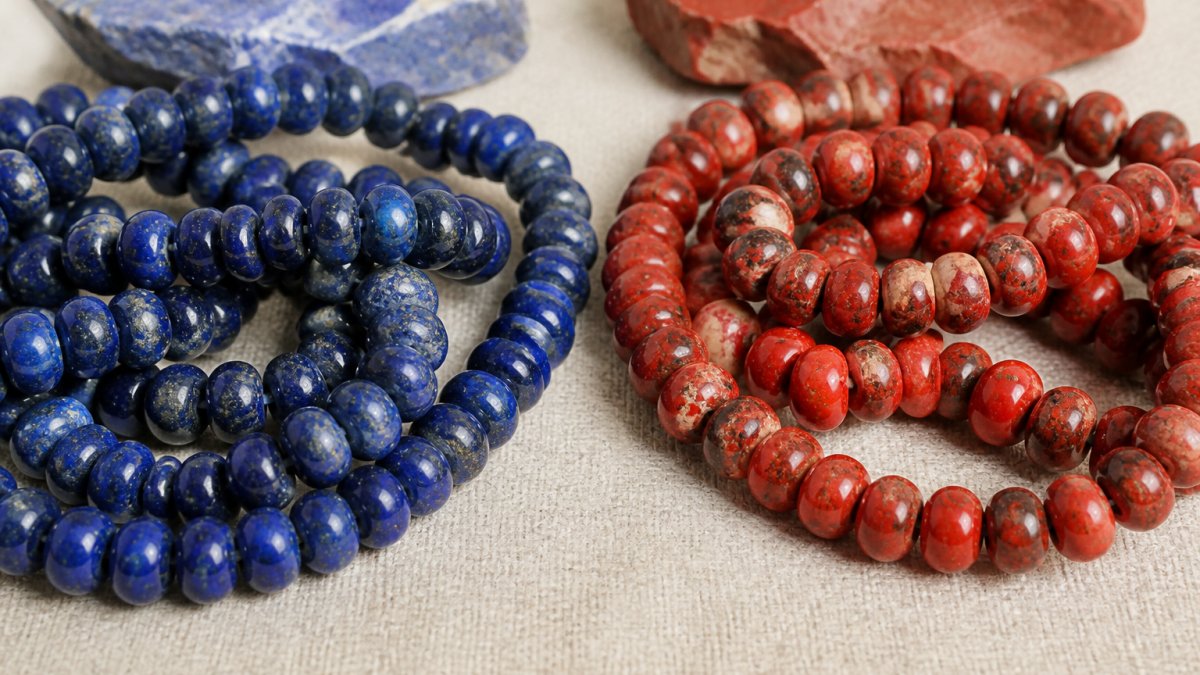
HietalaJewelry offers a curated selection of natural gemstone beads, including briolette, rondelle, and marquise shapes in stones such as lapis lazuli, amethyst, and sapphire.
Sourcing unique beads takes some legwork, but the right combination of local shops, markets, and vetted online suppliers will give your designs the distinct look you want.
Frequently Asked Questions
Where can I get unique beads for jewelry making?
Unique beads are most often found through three channels: local bead shops and craft stores, artisan markets and craft fairs where makers sell their own finds, and online marketplaces or independent sellers who specialize in specific materials. Local shops let you inspect beads by hand, while online sellers offer their own range of shapes and sizes. Start with a small test order from any new source so you can check consistency, drilling, and how the stones match their photos before committing to larger quantities.
How can I tell whether gemstone beads are genuine?
Check for natural variation in color and inclusions, which lab-created or dyed stones often lack or show too uniformly. Examine drill holes and surfaces closely for chips or polish inconsistencies. Ask the supplier to state whether each stone is natural, lab-created, or treated, and request a description of any treatment. Clear, specific answers from a seller are a good sign; vague wording is a reason to look elsewhere.
What should I look for when choosing a bead supplier?
Look for a supplier that lists the exact material, shape, and dimensions for each item, along with a supplier item number you can reorder against. Clear product photos and a stated return policy all matter. Ask how long delivery takes and whether shipping costs depend on order size. Pricing depends on quantity, dates, and delivery, so request current prices and a quote directly from the supplier rather than relying on older listings.
What questions should I ask a bead supplier before placing an order?
Ask whether the stones are natural, lab-created, or treated; what minimum order quantity applies; and whether a small sample is available before a bulk purchase. For commercial lines, it can help to ask whether a supplier can hold the same cut and dimensions across reorders, and how defective or mismatched beads are handled. Confirm the return policy and delivery timeline in writing, especially if you have client deadlines.

Comments