
Sourcing Sustainable Materials for Jewelry Making: A Guide
Last Updated: November 1, 2026
Quick Summary
Sourcing sustainable materials for jewelry means checking where each component came from and whether its supply chain holds up to scrutiny. Judge each stone and metal on its own evidence, request written origin and treatment disclosure, and verify recycled-content claims before publishing them.
Request written identity and treatment disclosure for every stone, and keep it with your inventory records.
Ask suppliers for the recycled percentage and its route, such as post-consumer or post-industrial, in writing.
Request an assay or certificate of analysis per metal lot to confirm purity matches your product claims.
Do not claim 100% recycled unless solder, wire and findings are documented as recycled too.
Order a sample in your exact bead shape and size, and measure ten pieces to check consistency.
Table of Contents
What Sustainable Jewelry Materials Mean in Practice
Sustainable jewelry materials are stones, metals and natural components, and sustainable materials are sourced and handled with less environmental harm and more traceable, fair labor.
The term covers overlapping concerns: recycled and reclaimed metals reduce new mining; ethically sourced gemstones address labor and environmental damage at the mine; natural materials such as sustainably harvested wood, bamboo and organic cotton carry their own footprint from cultivation through processing.
The biggest mistake is treating "eco-friendly" as a finished verdict. A recycled metal can still be paired with a stone of unknown origin. Judge each component on its own evidence, then the whole piece.
Ethical Gemstone Sourcing: Natural Stones, Lab-Grown Stones and Treatments
Ethical gemstone sourcing starts with knowing what you are buying. Natural stones come from mining, raising concerns about labor conditions and environmental disruption.

Treatments add another layer. Many gemstones are heated, dyed or otherwise enhanced, and these processes are common and often disclosed on seller documentation.
For a retail-facing line, make sure your product descriptions state whether a stone is natural, lab-created, or treated.
Checking Whether a Stone Is Natural or Lab-Created
Ask the supplier directly and request written confirmation for each lot. Reputable sellers can state whether a stone is natural, lab-created or simulated, and whether it has been treated. Be cautious of vague terms such as "genuine" or "real" that do not confirm origin.
If a stone's identity matters to your pricing or claims, consider independent gemological testing from a recognized laboratory. Testing costs money, so reserve it for higher-value stones or disputed lots.
Sustainable Gemstone Beads: Comparing Shapes, Sizes and Materials
Bead shape and size affect design and sourcing. Briolette, rondelle and marquise cuts each have distinct yield rates from rough material, which influences waste.
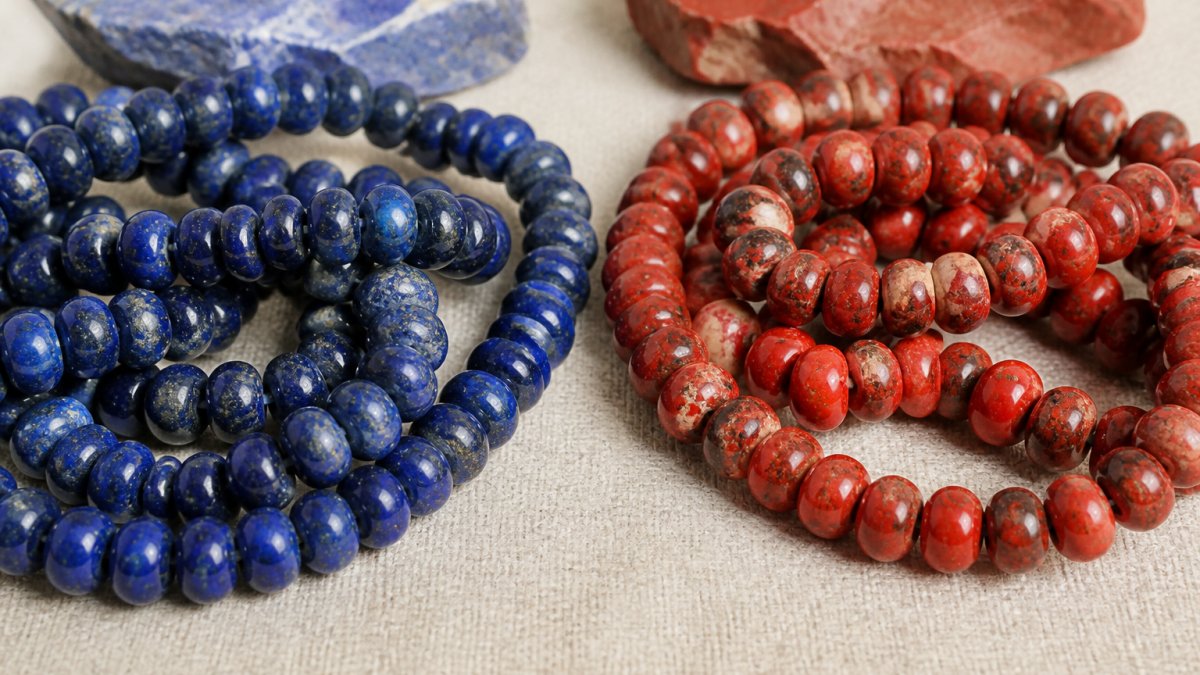
Consistency matters for commercial lines. If you need the same rondelle dimensions across reorders, specify millimeter measurements in your purchase order and check incoming stock against them. Consistent sizing also reduces rejected pieces, which is itself a sustainability gain.
A Material-by-Material Comparison for Bead Buyers
Most sourcing guides stop at "choose ethical stones." The useful work is comparing the common bead materials a small studio actually buys, since each carries a different mix of durability, availability, cost pressure and end-of-life behavior. The table below is a decision aid, not a ranking.
Material | Durability / wear | Availability & consistency | Cost pressure | Sourcing & end-of-life notes |
Quartz family (amethyst, clear quartz, rose quartz) | Good for everyday wear; softer than corundum, so prone to scratching in rings | Widely available in calibrated sizes; color varies by lot | Low to moderate | Abundant supply; ask about dye and heat treatment. Not biodegradable, but inert and long-lived |
Lapis lazuli | Moderate; softer and porous, so avoid harsh cleaners and heavy wear | Color and pyrite content vary widely between lots | Moderate to high for clean, even color | Origin and treatment questions matter; stabilize or seal if used in high-wear pieces |
Corundum (sapphire, ruby) | Excellent; among the hardest bead materials | Calibrated strands are available but pricier; natural color varies | High | Ask natural vs. lab-created and treatment status in writing; holds value and is repairable/reusable |
Glass and ceramic | Good, but can chip at drill holes | Highly consistent in size and color | Low | Often recycled-content options exist; energy-intensive to produce but durable and reusable |
Wood and seed beads | Lower; susceptible to moisture and wear | Variable; natural grain and size differ | Low | Look for certified or reclaimed wood; biodegradable, but finishes and dyes affect disposal |
Two practical readings of this table. First, durability and sustainability are linked: a stone that scratches or chips quickly generates returns and replacement orders, which is waste. Second, "natural" is not automatically lower-impact, a dyed, heavily treated natural stone can carry more processing burden than a lab-created one.
Shape, Yield and Waste
Cutting yield is the share of rough material that becomes a finished bead. Ask suppliers how the rough was sourced and whether offcuts are recovered.
Pro Tip Order a small sample in the exact shape and size you plan to reorder. Measure ten pieces with calipers and record the range. A supplier whose sample varies by more than your tolerance will cost you in rejected pieces on every reorder.
Matching Material to Use Case
High-wear pieces (rings, bracelets): favor harder materials such as corundum or well-sealed stone; avoid porous stones unless protected.
Earrings and pendants: softer stones like amethyst and lapis work well because they see less abrasion.
Children's and budget lines: glass, ceramic and wood offer consistency and lower cost, but verify dye and finish safety.
Evaluate each material separately rather than assuming a single standard applies. Keep comparison notes with your supplier records so the reasoning behind each choice is documented when you reorder or make a claim.
Recycled Metals for Jewelry Making: Gold, Silver and Their Trade-Offs
Recycled gold and silver reduce demand for newly mined metal and can be a straightforward upgrade for makers. Recycled content is usually stated as a percentage on supplier documentation, so request that figure in writing before using it in marketing.
Where Recycled Metal Actually Comes From
"Recycled" is a category, not a single supply chain. The common routes are:
Post-consumer scrap, old jewelry, electronics and industrial scrap refined back to pure metal. This is the route most makers mean when they say recycled.
Post-industrial scrap, manufacturing offcuts, sprues and sweeps from a refiner's or manufacturer's own process. Often high purity and well documented.
Repurposed or reclaimed components, finished pieces or parts reused as-is rather than melted. This preserves the energy already invested in the metal and is the lowest-impact option when the component fits your design.
Ask your supplier which route their material follows. A refiner that documents post-consumer feedstock and provides a chain-of-custody statement is easier to defend in marketing than one that says only "recycled."
The Real Trade-Offs
Recycled metal is chemically the same element, but the practical differences show up in alloying and documentation:
Alloy consistency. Recycled feedstock can carry trace elements from prior alloys. A refiner that re-alloys to a stated specification (for example, a standard sterling or nickel-free white gold recipe) controls this; a less rigorous one may not. Color and workability can shift lot to lot.
Hallmarking and purity. Confirm the purity stamp matches the actual assay. Reputable suppliers provide an assay or certificate of analysis with each lot.
Color matching. White gold relies on alloying and often plating. Recycled white gold can vary in tone; test before committing a full run.
Watch Out Do not publish a "100% recycled" claim unless every metal component, including solder, wire and findings, is documented as recycled. The Federal Trade Commission's Green Guides set the standard for environmental marketing claims, and an overstated recycled-content claim carries compliance and reputational risk.
Performance and End-of-Life
Precious metals are among the most repairable and recyclable jewelry materials available. Gold and silver can be re-melted and re-refined repeatedly without losing their identity, so a piece made from recycled metal can itself become feedstock later. That circularity is the strongest sustainability argument for metal.
Practical implications for makers:
Design for repair. Choose settings and findings that can be re-tipped, re-soldered and re-polished rather than replaced.
Offer take-back or re-melt. A simple program to accept worn pieces back for credit keeps metal in circulation and builds customer loyalty.
Separate scrap carefully. Keep your bench sweeps, filings and scrap by metal type so they can be refined rather than discarded.
A Quick Verification Checklist for Metal Suppliers
What percentage of the metal is recycled, and by which route (post-consumer, post-industrial, reclaimed)?
Can they provide an assay or certificate of analysis per lot?
Is the alloy specification stated, including nickel content for white metals?
Test a sample lot before committing to a full production run, and confirm the purity stamp matches your product claims. Keep assay and chain-of-custody documents on file, they make your recycled-content statement defensible.
Finding Responsible Jewelry Suppliers: A Vetting Checklist
Use this checklist when evaluating any supplier of gemstone beads or metal components:
Can they state the origin of each material by country or region?
Do they provide written treatment and identity disclosure for each stone?
Can they supply dimensional specifications for each product?
A supplier who answers all six questions clearly is far easier to trust than one who answers evasively. Compare candidates in our reliable gemstone bead suppliers guide. Record each supplier's responses so you can compare them over time.
Certifications, Documentation and Verifying Claims
Certifications help, but read them carefully. A certification covers a defined scope, and a supplier may hold one for part of its range and not the whole catalog. Ask which products the certification covers and request a copy with the expiration date.
Verify any claim you intend to publish. If a supplier says a material is recycled or ethically sourced, ask for supporting documentation and keep it on file.
Costing, Minimum Orders and Small-Batch Procurement
Costs depend on quantity, material grade, dates and delivery method. For pricing and bulk buying, see our wholesale gemstone bead buying tips.
Build your cost model from the landed price, not the list price. Include shipping, customs where applicable, breakage allowance and the cost of rejected pieces.
Watch out: a low price on a bead lot can hide high waste if pieces are cracked, poorly drilled or inconsistent with the listing.
Building a Repeatable Sourcing Workflow for Your Next Order
A repeatable workflow turns these checks into routine. Start by defining your material specifications, including shape, size, material type and treatment status.
Record every lot: supplier, date, dimensions, documentation and any defects. Over time, these records show which suppliers deliver consistent quality and which need replacing.
Keep your sourcing standards written down and share them with anyone who buys materials for you.
Frequently Asked Questions
What materials are considered sustainable for jewelry making?
Materials commonly considered more sustainable include recycled gold and silver, recycled or reclaimed metals, natural stones that are responsibly sourced and disclosed as untreated when that is the case, and natural materials such as sustainably harvested wood, bamboo and organic cotton for cords or findings. No material is automatically sustainable on its own. What matters is where it came from, how it was processed, and whether the supplier can document it. Ask for origin and treatment details before assuming a material meets your standard.
How can jewelry makers verify that gemstones are ethically sourced?
Start by asking the supplier where the stones were cut and how they were acquired, and whether the seller can provide invoices or lot-level documentation. Look for recognized programs and certifications where they apply, and ask which claims are independently verified versus self-reported. Ask whether treatments such as heating, dyeing or fracture filling are disclosed for each lot. A supplier that answers these questions in writing is generally easier to trust than one that relies on general marketing language.
Are recycled metals more sustainable than newly mined metals?
Recycled metals generally carry a lower environmental footprint than newly mined metals because they avoid much of the extraction and refining stage. The benefit depends on the recycled content being verified and on the refining and alloying process. Ask a supplier for the percentage of recycled content in each alloy, and whether the recycled material comes from pre-consumer scrap or post-consumer sources. Recycled metal still needs to meet the purity and hallmarking expectations of your customers.
How can I tell whether a jewelry supplier’s sustainability claims are credible?
Credible claims are specific, documented and verifiable. Vague phrases like eco-friendly or responsibly made tell you little on their own. Ask what exactly is claimed, what evidence backs it, who verified it, and when it was last reviewed. Request supporting documents rather than accepting a website statement alone. Suppliers willing to explain their chain of custody, including where a stone or metal changes hands, usually provide the most reliable answers.
What questions should I ask a jewelry materials supplier?
Useful questions include: Where were these stones cut and by whom? Are they natural, lab-created or treated, and is that disclosed per lot? What is the recycled content of your metals? Can you provide documentation for origin? What is your return policy if beads are cracked, poorly drilled or differ from photos? What are your minimum order quantities and lead times? Are dimensions consistent across reorders, and how do you measure that? Written answers to these questions help you compare suppliers on equal terms.
Where can I buy sustainable gemstone beads for jewelry making?
You can buy sustainable gemstone beads from suppliers who document origin, disclose treatments and specify sizes and cut tolerances. HietalaJewelry offers natural gemstone beads in shapes including briolette, rondelle and marquise, with free delivery within the USA. For current prices, sale pricing and quantity options, visit the HietalaJewelry website or request a quote, since pricing depends on quantity, dates and delivery.
How can small jewelry businesses source materials more sustainably?
Small businesses can start by buying from suppliers that disclose sourcing and treatments, choosing recycled metal where it meets your alloy and hallmarking needs, and standardizing a limited palette of stones so each bead type is sourced from a known supplier. Keep records for each order, including invoices and lot details, so you can answer customer questions. Reordering from the same vetted supplier also makes consistency easier to maintain.
What are the best alternatives to newly mined gemstones?
The main alternatives are recycled or reclaimed metals for settings, lab-grown stones that are clearly disclosed as such, and gemstones with documented, responsible provenance. Each option has trade-offs in cost, perceived value and customer expectations. Lab-grown stones must be labeled accurately for the buyer, and natural stones should come with clear origin and treatment information. Choose the option that matches what your customers are told and what your documentation can support.


Comments