
Are Plastic Bead Alternatives Worth the Switch?
Last Updated: October 29, 2026
Quick Summary
The best plastic beads alternatives depend on your priorities: precision-cut glass and natural stone hold their finish longest, untreated wood is the most biodegradable, and polymer clay gives the most creative control. Compare total bead cost per finished piece, not the price of a single bead.
Natural gemstone beads offer the most premium look but cost more and weigh more than plastic.
Precision-cut glass resists scratching and holds color because the color is in the glass itself.
Untreated wood is biodegradable but can swell, crack or mold if stored damp or worn in the shower.
Polymer clay is plastic-based, so it is not biodegradable despite its popularity in handmade work.
Build a cost sheet per design that includes sorting time and a 5-10% breakage allowance.
Table of Contents
Why Makers Are Moving Away From Plastic Beads
Plastic beads are cheap and easy to find, which is why they dominate most craft store aisles, yet many makers now actively seek out plastic beads alternatives. Many jewelry makers are now questioning whether that convenience is worth the trade-offs in feel, longevity and sourcing.
A common reason makers switch is the weight and feel of finished pieces. Plastic often reads as lightweight and toy-like, while glass, stone and wood carry a more substantial, premium presence in the hand.
Others move away from plastic for longevity. Plastic can crack, fade or discolor over time, especially with regular wear, sunlight and contact with lotions or perfumes. Stone and quality glass tend to hold their finish far better under the same conditions.
Still, switching is not automatically the right call. The best alternative depends on your designs, your price point and your customers. The rest of this guide compares plastic beads alternatives so you can decide which, if any, is worth the change.
How We Compared the Best Plastic Bead Alternatives
We compared each material across the factors that matter most to working makers: appearance, weight, durability, cost per bead, sourcing and suitability for different wearers. We also looked at how each option behaves in small batches versus larger commercial runs.
We did not test materials in a formal lab. Instead, this comparison is built from product specifications, typical material behavior and the practical considerations makers raise most often. Where a property depends on the specific product, we say so.
Keep in mind that pricing changes with quantity, sales and shipping, so the figures used here are starting points rather than quotes. For current prices, check the product pages directly.
Natural Gemstone Beads: Premium Feel, Higher Cost
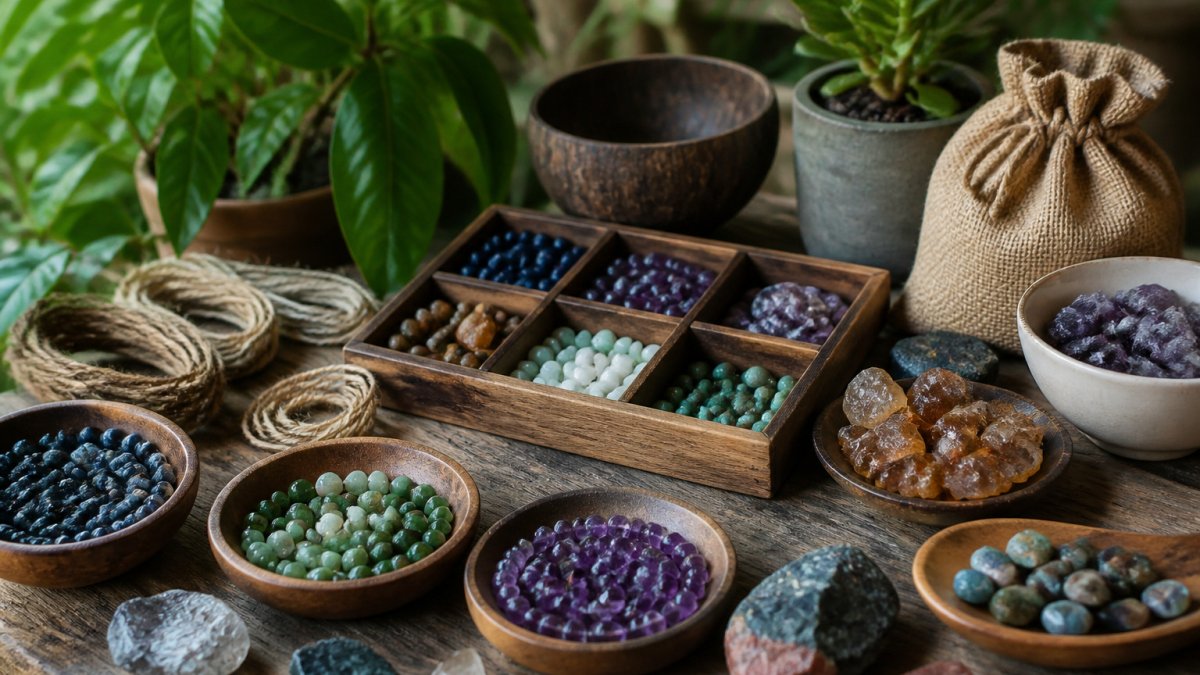
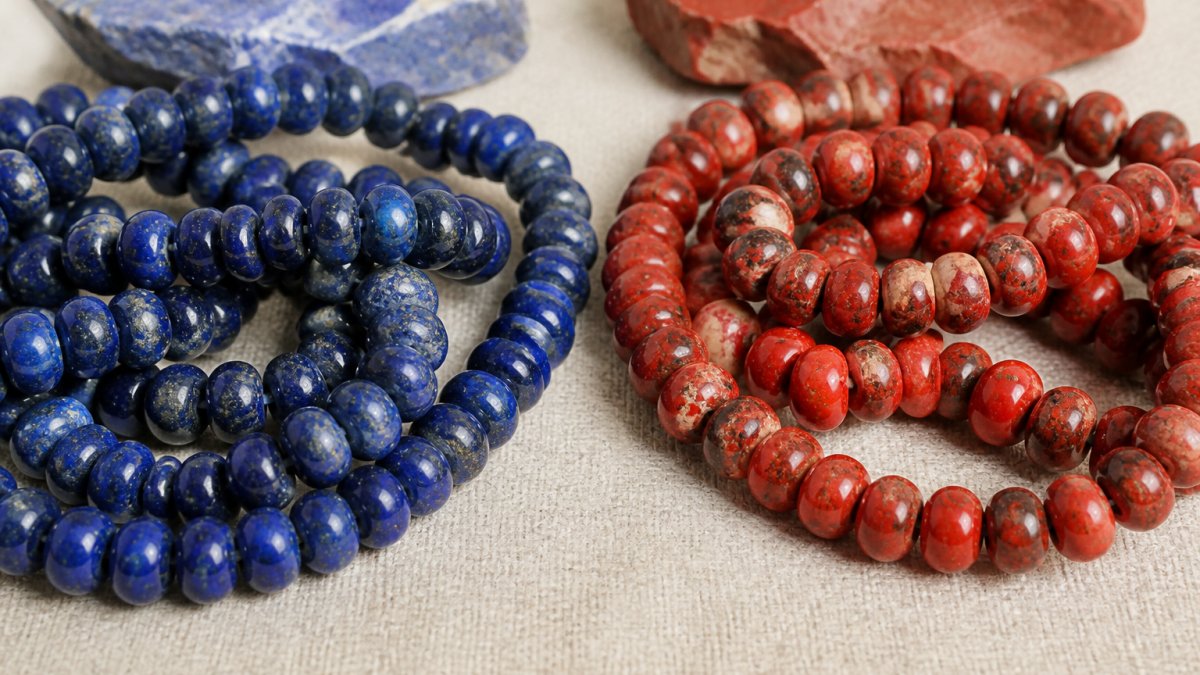
Natural gemstone beads are the most premium option on this list. Stones such as lapis lazuli, amethyst and sapphire have a depth of color and a natural variation that plastic cannot match. Briolette, rondelle and marquise shapes in these stones give designers many silhouettes for statement pieces and client commissions.

The trade-off is cost and weight. Natural stone is heavier than plastic or glass, and each bead is unique, which means matching a specific size or color across a large order takes more planning. Read why natural gemstone beads are expensive to see what drives their pricing.
HietalaJewelry offers a curated selection of natural gemstone beads. Pricing depends on the stone, the shape, the quantity and current promotions, so check the product pages for the latest figures.
Watch out: Natural stones vary in hardness. Softer stones can scratch or chip if they are strung with hard metal findings or worn during rough activity, so match the stone to the wear pattern of the piece.
Durability and Allergy Considerations for Gemstones
Gemstones are generally durable under normal wear, but hardness varies widely between stones. Lapis lazuli is softer than many other gemstones, so it benefits from careful handling and gentle cleaning.
Allergy concerns depend more on the metal findings and any coatings than on the stone itself. A stone bead strung on nickel-plated wire can still cause a reaction in sensitive wearers.
Glass, Clay, Wood and Recycled Options Compared
Each of these materials fills a different niche. Glass offers brilliance and weight, polymer clay offers full creative control, wood offers an organic lightness, and recycled glass offers a sustainable, rustic look.
Glass beads. Precision-cut Czech and Japanese glass (often sold as fire-polished or seed beads) are consistent in size, resist scratching under normal wear, and hold their color because the color is in the glass, not a surface coating. They are heavier than plastic, which reads as premium in the hand, and they suit bead embroidery, bead weaving and higher-end costume jewelry.
Polymer clay. Polymer clay is a plastic-based material (PVC with plasticizers), so it is not biodegradable even though it is common in handmade work. What it offers is full creative control: custom colors, millefiori-style canes, and sculpted shapes that no catalog bead can match.
Wood beads. Natural wood is lightweight, warm to the touch and biodegradable when untreated. It suits bohemian and eco-conscious designs and is one of the few bead materials that genuinely breaks down at end of life.
Recycled glass beads. Recycled glass reduces demand for new raw material and gives a distinctive, artisanal look with small batch-to-batch variation. The catch is consistency: sizes and hole diameters can vary enough that sorting is needed before stringing, and color matching across reorders is harder than with precision-cut glass. Recycled glass is still glass, so it shares the same impact fragility and weight characteristics.
Ceramic beads. Ceramic offers a matte, earthy texture and good heat resistance, and glazed ceramic can hold color well. It is brittle if struck against hard surfaces, so it suits statement pieces more than items that get knocked around.
Key Takeaway If longevity is the priority, precision-cut glass and hard stone hold their finish best; if biodegradability is the priority, untreated wood is the strongest option; if creative control is the priority, polymer clay wins but is not a biodegradable material. Match the material to the wear pattern, not just the eco label.
Sustainable Jewelry Materials: Sourcing and Environmental Trade-Offs
Sustainability is a major reason many makers look beyond plastic, but "eco-friendly" covers a lot of ground. Recycled glass reduces waste from existing material. Untreated wood is biodegradable, though its sourcing practices vary. Polymer clay is a plastic-based material, so it is not a biodegradable option even though it is often used in handmade work.
Ask suppliers where their materials come from and how they are processed. A clear answer is a better sign than a vague eco label. This is especially useful when you are building a line you plan to market as sustainable.
Cost-Benefit Comparison for Small Batches and Commercial Lines
Most guides compare bead materials on eco-friendly status and stop there. The practical question for a working maker is different: what does each material cost per finished piece, and how does that cost change as order size grows? That is the gap this section fills.
Start with cost per bead, then convert to cost per piece. A necklace might use 40 to 80 beads depending on bead size and design. If a plastic bead costs a few cents and a comparable natural stone bead costs several times that, the per-bead difference looks small, but multiplied across a full strand and a production run, it becomes the dominant line item in your material cost. The right comparison is total bead cost for one finished piece, not the shelf price of a single bead. See why premium gemstone beads cost more before deciding on a small batch. Because prices move with quantity, sales and shipping, treat any figure as a starting point and confirm on the product page before you commit.
Factor in the hidden costs. The sticker price is only part of the math. Three costs routinely get left out:
Sorting and culling. Natural stone and recycled glass vary in size and color, so a batch may need hand-sorting before stringing. That is labor, and labor is the most expensive input for most small makers. Precision-cut glass and uniform manufactured beads reduce sorting time but cost more per bead.
Breakage and rework. Brittle materials (glass, ceramic) and soft materials (polymer clay, soft stone) generate waste from chips and cracks. A 5-10% breakage rate on a fragile material can erase the per-bead savings. Durable materials cost more up front but waste less.
Reorder consistency. If a supplier's sizing drifts between batches, you may have to re-sort or re-design mid-run. Ask about batch consistency before committing to a volume order, and request a sample from the current batch.
Match the material to the price point. For a hobbyist making a few gifts, the cost difference between materials matters less than how the finished piece looks and feels, premium stone or glass can be worth it for a special project. The mistake is choosing the cheapest bead and then pricing the piece as if it were premium, customers notice weight and finish, and returns erode the margin you thought you saved.
Wholesale versus retail. Compare total cost at your expected order size, not at single-unit pricing, and factor shipping into the landed cost. Use this wholesale vs retail gemstone bead pricing guide to compare the two side by side. Check the product pages for current pricing and delivery terms, since these can change with promotions.
Pro Tip Build a simple cost sheet per design: bead count × cost per bead, plus estimated sorting time, plus a breakage allowance. Update it when you reorder. Most makers find the material that looks most expensive per bead is not always the most expensive per finished piece once waste and labor are included.
The table below summarises the cost factors the article raises for small batches and commercial runs.
Cost factor | Why it matters | Practical note |
Cost per bead | Multiplies across 40-80 beads per necklace | Compare total bead cost per finished piece |
Sorting and culling | Natural stone and recycled glass vary in size and color | Labor is often the largest input for small makers |
Breakage and rework | Brittle or soft materials generate waste | A 5-10% breakage rate can erase per-bead savings |
Reorder consistency | Sizing drift forces re-sorting or re-design | Request a sample from the current batch |
Wholesale vs retail | Single-unit pricing misleads at volume | Factor shipping into landed cost |
Where to Source Alternatives From a Trusted Jewelry Supply Store
Finding a reliable supplier matters as much as choosing the right material. Look for consistent sizing, clear product descriptions, accurate photos and a straightforward return policy. Read these wholesale gemstone bead buying tips before placing your first order. Ask about sample options before placing a large order, so you can check quality and color in person. Browse reliable gemstone bead suppliers for artisans to compare sources.
HietalaJewelry supplies natural gemstone beads in briolette, rondelle and marquise shapes. Explore the full range at https://www.hietalajewelry.com/category/gemstone-beads, and reach out with questions about sizing or quantities before you order.
Frequently Asked Questions
What kind of beads won't tarnish?
Glass, natural gemstone and polymer clay beads generally will not tarnish, because they do not contain reactive metal coatings. Sapphire, amethyst and lapis lazuli hold their finish well with normal wear. Plated metal beads are the most likely to discolor, so avoid them if you want a tarnish-free piece. Store finished jewelry in a dry pouch to protect any metal findings attached to the beads.
Are natural gemstone beads a sustainable choice for jewelry?
Natural gemstone beads are mined rather than manufactured, so their environmental footprint depends on the mining practices behind them. Ask suppliers where stones were sourced and whether they were treated. Buying from a supplier that sells consistent, traceable stones lets you reuse the same designs over time, which reduces waste from failed batches.
Are there non-toxic, biodegradable options for jewelry beads?
Untreated wood, coconut shell and natural seed beads are the most biodegradable choices. Glass and natural gemstone beads are inert and do not leach chemicals under normal wear. Polymer clay is not biodegradable, though it is non-toxic when baked as directed. Check each supplier's material listing before assuming a bead is biodegradable.
How do natural gemstone beads compare to plastic for durability?
Most natural gemstones are harder and more scratch-resistant than acrylic or plastic beads, so they keep their surface longer under daily wear. They are heavier and can chip if dropped on hard surfaces, so pair them with sturdy stringing material. For a finished piece worn frequently, gemstones usually outlast plastic by a wide margin.
Plastic beads are not the only option, and switching does not have to be all or nothing. Many makers keep plastic for prototyping or budget lines while moving premium pieces to stone or glass. Choose the material that fits each design, test a small batch first, and let your customers' response guide the next step.

Comments