

Handmade vs Mass Produced Jewelry
A ring can look beautiful in a photo and still feel entirely different once it is in your hand. That is often the real story behind handmade vs mass produced jewelry. At first glance, two pieces may share a similar silhouette, gemstone color, or metal finish. The difference appears in the details - how the setting holds the stone, how the weight feels on the hand, and whether the piece seems made for a moment or for a lifetime.
For anyone shopping for fine jewelry, bridal jewelry, or a meaningful gift, that distinction matters. Jewelry is personal. It marks promises, anniversaries, milestones, and memories. When you are choosing something meant to be worn often or passed down, craftsmanship is not a small detail. It is the reason a piece keeps its beauty and significance over time.
Handmade vs Mass Produced Jewelry: What Sets Them Apart
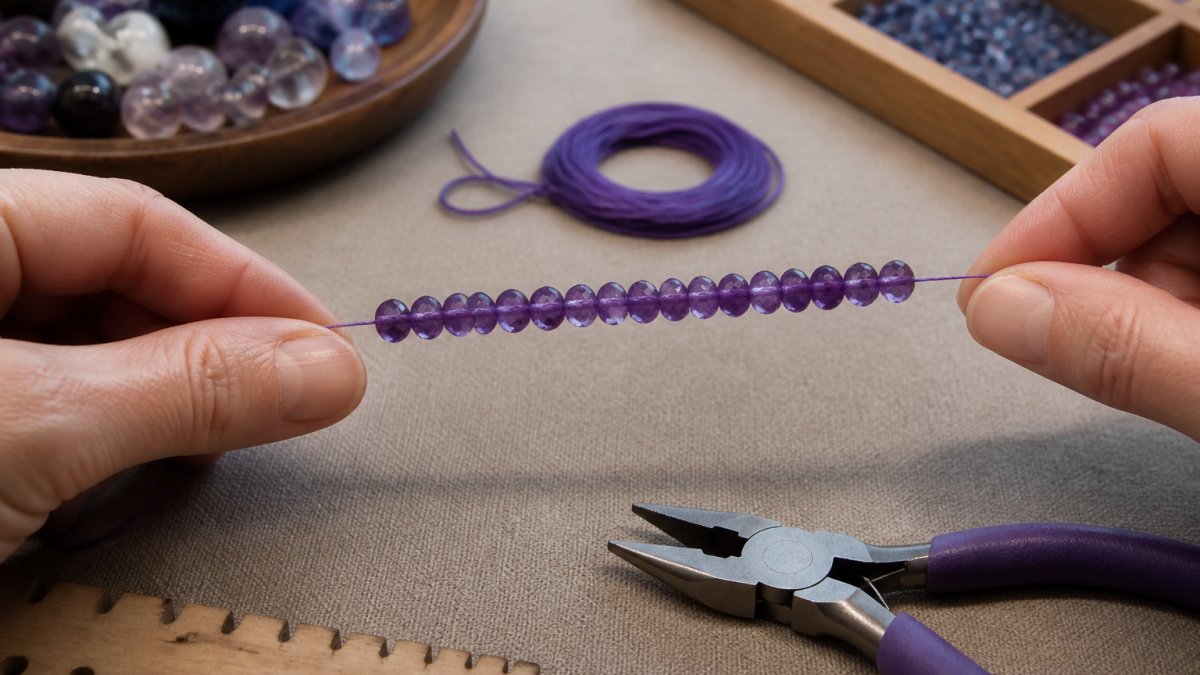
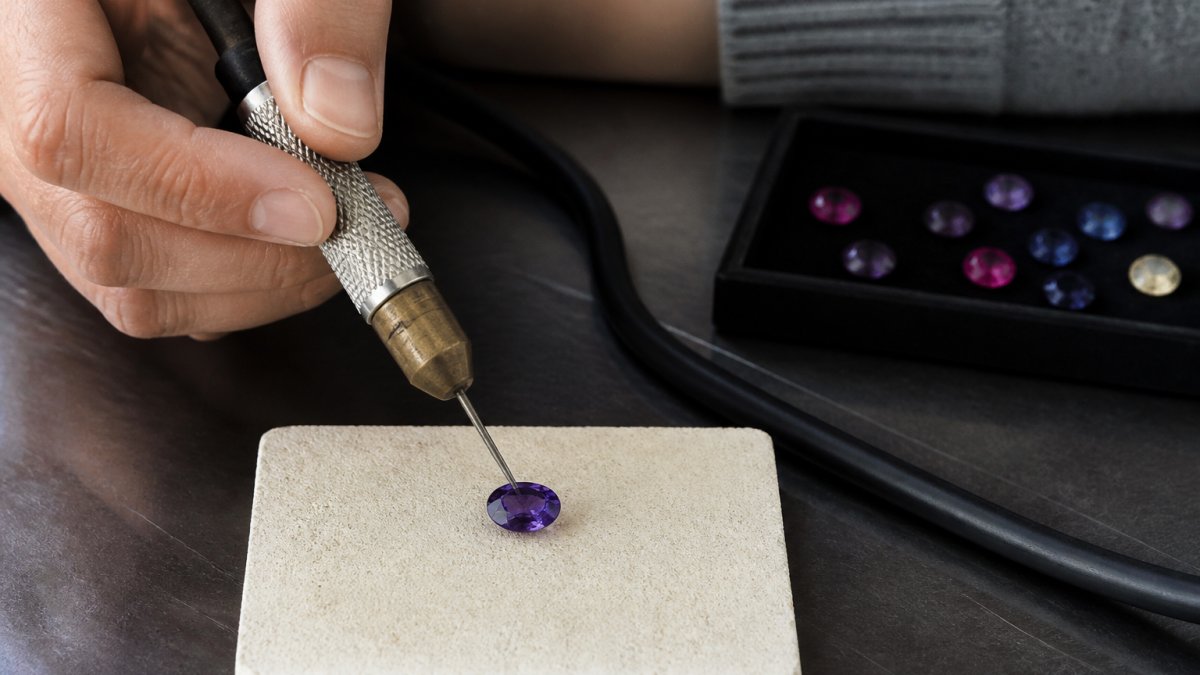
Handmade jewelry is created with a greater level of direct human involvement. That can mean a jeweler shapes metal by hand, sets natural gemstones individually, refines a design in small batches, or finishes a piece with close attention to proportion and balance. Even when traditional tools are used, the process is guided by an artisan's eye rather than by volume alone.
Mass produced jewelry is built for consistency at scale. It is often cast, assembled, and finished in high quantities, usually with speed and cost efficiency as the primary goals. That does not mean every mass-market piece is poorly made. Some are attractive, wearable, and perfectly suitable for occasional use. But the priorities are different. The focus is often on producing more units quickly and affordably, not on preserving the character and longevity that fine jewelry buyers typically want.
This is why handmade and mass produced jewelry should not be judged only by appearance in a listing image. The true difference is found in construction, materials, and the care behind each finished piece.
The Difference You Can See and Feel
One of the clearest distinctions is in the workmanship. A handcrafted piece often shows a more thoughtful relationship between the gemstone and its setting. Prongs are placed with care. Bezels are shaped to suit the stone. The overall design feels intentional, especially when natural gemstones are involved, since no two stones have exactly the same proportions, color variation, or internal character.
With mass produced jewelry, settings are generally standardized to fit a broad production model. That efficiency helps lower cost, but it can also reduce the sense of individuality. When stones are selected to meet uniform sizing and appearance requirements, the result may feel more generic. For a buyer who wants a one-of-a-kind sapphire ring, a jade pendant with natural depth, or a moonstone piece with distinct glow, that difference is meaningful.
Weight and finish also tell a story. Fine handmade jewelry often feels more substantial because the maker is not cutting every possible corner in metal use or assembly. Edges are smoother. The polish is more deliberate. The underside of a ring, the back of a pendant, and the hidden structural elements tend to receive more attention. These details may not be obvious in a quick glance, but they become obvious with wear.
Materials Matter More Than Most Buyers Realize
The conversation around handmade vs mass produced jewelry is also a conversation about materials. In fine jewelry, quality begins with what is actually being used - solid precious metals, natural gemstones, untreated stones when appropriate, and durable settings designed to protect them.
Handmade jewelers are often more transparent and selective about these details because the materials are central to the piece's identity. A handcrafted amethyst ring is not simply purple and gold. It is a specific gemstone with its own cut, carat weight, clarity characteristics, and visual personality. A tourmaline pendant may be chosen because of its unique saturation or natural variation, not because it matches a factory template.
Mass produced jewelry can vary widely here. Some pieces use lower-cost alloys, heavily treated stones, thin plating, or simulated gems to keep pricing competitive. Again, that does not make every mass-produced item a poor choice. If you need a fashion piece for occasional wear, it may be perfectly reasonable. But if you are buying jewelry for daily wear, gifting, engagement, or collecting, materials deserve closer attention than trend alone.
Why Handmade Jewelry Often Holds Its Value Better
Value in jewelry is not only about resale. It is also about how well a piece serves you over the years. A handcrafted ring that remains secure, comfortable, and beautiful through regular wear offers a different kind of value than a lower-cost piece that needs replacement after a short time.
Handmade jewelry often justifies a higher initial price because more labor, more material care, and more design attention are built into it. In many cases, the piece is also more distinct. That matters for sentimental value, but it can matter financially too, especially when natural gemstones and precious metals are part of the design.
Mass produced jewelry usually wins on entry price. For budget-conscious shoppers, that can be appealing. The trade-off is that lower production cost is often achieved through thinner metal, simpler stone selection, faster finishing, or less durable construction. If the piece is not meant to last, the lower price may reflect that honestly. The issue is not that affordable jewelry exists. The issue is assuming all jewelry delivers the same long-term value simply because it looks similar online.
Handmade vs Mass Produced Jewelry for Gifts and Bridal Pieces
Some purchases deserve a higher standard from the beginning. Engagement rings, wedding jewelry, anniversary gifts, birthstone jewelry, and heirloom-style pieces carry emotional weight that goes beyond style. In those moments, handmade jewelry often feels more appropriate because it reflects intention.
A handcrafted bridal ring or gemstone necklace carries a sense of permanence. It suggests that the piece was chosen not just for sparkle, but for substance. Natural stones, carefully set in precious metal, have a presence that is hard to replicate through mass production. That is especially true for buyers who want a piece to become part of family history.
For gifts, handmade jewelry also communicates thoughtfulness. It feels selected rather than picked from a stream of interchangeable options. Whether it is a sapphire pendant for a milestone birthday or a pair of gold-filled earrings chosen for everyday elegance, craftsmanship adds emotional depth to the gift itself.
When Mass Produced Jewelry Makes Sense
There are times when mass produced jewelry is the practical choice. A trend-driven piece, a travel accessory, or a lower-cost fashion purchase may not need heirloom construction. If your goal is variety, occasional wear, or a modest budget, there is nothing wrong with choosing a piece made for accessibility rather than legacy.
The key is buying with clear expectations. If you know a piece is intended for short-term style, lower price may be the right priority. If you want lasting beauty, stronger settings, natural gemstone character, and a more personal sense of design, handmade jewelry is usually the better fit.
That middle ground matters because not every shopper needs the same thing from every purchase. The best choice depends on how often the piece will be worn, what materials matter to you, and whether you are buying for the present moment or for years ahead.
How to Shop More Confidently
If you are deciding between the two, slow down and look beyond the first image. Read the details. Ask what metal is being used and whether the gemstone is natural, treated, or simulated. Consider whether the setting appears secure and whether the design has enough substance for repeated wear.
Pay attention to how the piece is described. Fine jewelry sellers with a true focus on craftsmanship usually speak clearly about gemstone type, cut, carat weight, metal content, and construction. That level of detail builds trust because it reflects real knowledge of the product itself.
For buyers who value heritage craftsmanship, distinctive gemstone beauty, and jewelry with a lasting sense of meaning, handmade pieces often offer a more satisfying purchase. At Hietala Jewelry, that belief is part of what shapes the collection - jewelry chosen not only for beauty, but for authenticity, wearability, and the kind of quality that still matters years later.
The best jewelry does more than catch the light. It keeps its place in your life, growing more personal each time you wear it.

Comments