
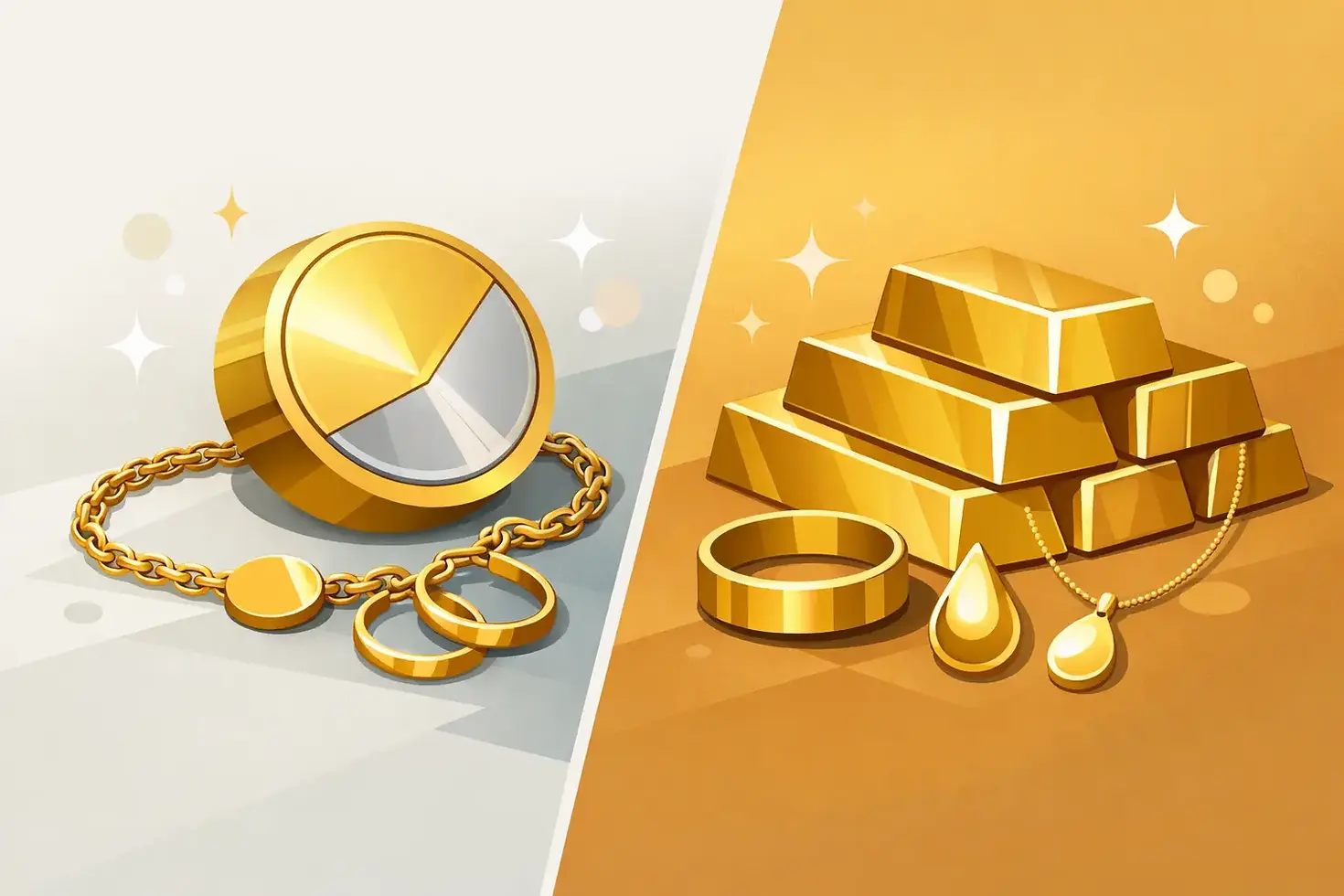
Gold Filled vs Solid Gold: What to Buy
A delicate gold chain can look identical in a jewelry case, yet wear very differently over time. That is why the question of gold filled vs solid gold matters so much. If you are choosing a meaningful gift, an everyday necklace, or a piece you hope to keep for years, the difference is not simply price. It is about longevity, repairability, value, and how the jewelry will live with you.
For many shoppers, the decision comes down to two priorities that are both valid: lasting beauty and practical budget. Gold-filled jewelry offers a refined, approachable way to enjoy real gold on the surface. Solid gold offers permanence that has made it a classic for heirloom pieces, wedding jewelry, and fine gemstone settings. The right choice depends on how often you will wear the piece, what kind of life it needs to withstand, and what you want it to mean over time.
Gold filled vs solid gold: the real difference
Gold-filled jewelry is made by bonding a thick layer of gold to a base metal core, usually brass. This is not the same as gold plating. The outer gold layer in gold-filled jewelry is much thicker than standard plating, which gives it better durability and a more substantial feel. When made well, it can hold its color and finish for a long time with proper care.
Solid gold, by contrast, is gold all the way through. In jewelry, that usually means an alloy such as 10K, 14K, or 18K rather than pure 24K gold, which is too soft for many wearable designs. Because the material is consistent throughout, solid gold can be polished, repaired, resized in many cases, and worn for decades without the same concern about a surface layer wearing down.
That distinction shapes nearly every part of the buying decision.
How they compare in everyday wear
If you want jewelry for frequent wear, both options can be beautiful, but they behave differently over time.
Gold-filled pieces are often an excellent choice for necklaces, pendants, earrings, and bracelets that are worn regularly but treated with reasonable care. They give you the warmth of real gold at the surface and can maintain their appearance far longer than plated fashion jewelry. For someone who wants elegant everyday accessories without stepping into a higher fine-jewelry price range, gold filled can be a very sensible option.
Solid gold is better suited to the kind of wear that involves decades rather than seasons. Rings, especially, benefit from solid gold because they encounter more friction, hand washing, lotions, hard surfaces, and daily impact. A solid gold ring can develop the soft signs of age that precious metals naturally acquire, but it does not rely on a gold layer remaining intact. That makes it a stronger choice for wedding bands, engagement rings, family gifts, and signature pieces worn almost constantly.
This is where nuance matters. A gold-filled necklace worn thoughtfully may outlast a solid gold ring subjected to rough daily use in terms of looking pristine. But if both are worn for many years, solid gold remains the more durable and more serviceable material.
Price and value are not the same thing
One of the main reasons buyers compare gold filled vs solid gold is cost. Gold-filled jewelry is more accessible, sometimes dramatically so, depending on weight and design. That makes it appealing for layering pieces, trend-resistant staples, and gifts that still feel polished and substantial.
Solid gold costs more because the precious metal content is far higher. Yet that higher price also buys something different: intrinsic value, long-term wear, and greater flexibility for repair. If a clasp breaks or a ring needs resizing, solid gold is often the better candidate for skilled bench work. It also tends to hold emotional and material value in a way that aligns with heirloom jewelry.
So the better value depends on what you are buying the piece to do. If you want a graceful everyday chain or bracelet and prefer to allocate more of your budget toward gemstones or multiple pieces, gold filled may be the stronger value. If you want a piece that can become part of a family story, solid gold usually earns its higher cost.
Appearance: can you actually tell the difference?
At first glance, often no. A well-made gold-filled piece can be very attractive, with the same inviting glow most people associate with gold jewelry. For many shoppers, especially online, the visual difference is not the deciding factor.
What changes the experience is time, handling, and construction quality. Solid gold tends to have a depth and permanence that becomes more meaningful the longer you own it. It can be refinished, repolished, and restored while remaining itself. Gold filled can look excellent for a long period, but once the outer layer begins to thin in heavily worn areas, the piece has more limitations.
This matters even more when jewelry includes natural gemstones. A carefully selected sapphire, jade, moonstone, or diamond often deserves a setting that matches the intended lifespan of the stone. For occasional-wear gemstone jewelry, gold filled may still be appropriate. For bridal, anniversary, or collectible gemstone pieces, solid gold is usually the more fitting partner.
Which is better for sensitive skin?
This depends on the wearer and on the specific alloy used. Gold-filled jewelry is often well tolerated because the exterior is real gold, but if the outer layer wears over time, exposure to the base metal can become an issue for some people.
Solid gold is generally the safer long-term option for sensitive skin, especially in higher-quality alloys chosen for wearability. Even then, not all gold alloys are identical. The karat and metal mix matter. For someone with known sensitivities who plans to wear a piece constantly, solid gold is usually the more reassuring choice.
When gold filled makes the most sense
Gold-filled jewelry shines when you want beauty, realism, and practicality in the same purchase. It is especially well suited to pieces that are lightweight, elegant, and not subjected to constant abrasion. Think layered chains, everyday earrings, delicate bracelets, and giftable styles that feel special without becoming a major investment.
It also makes sense for shoppers building a jewelry wardrobe thoughtfully. Not every piece needs to be heirloom-level to be worthwhile. A beautifully made gold-filled accessory can still become a favorite, especially if the design is timeless and the craftsmanship is careful.
For a heritage-minded jeweler such as Hietala Jewelry, gold-filled accessories can offer an inviting way to enjoy handcrafted design while reserving higher precious-metal budgets for milestone purchases and important gemstone settings.
When solid gold is worth it
Solid gold is the right answer when permanence matters most. Engagement rings, wedding bands, sentimental pendants, keepsake gifts, and jewelry meant to be passed down all benefit from the stability of solid precious metal.
It is also worth choosing when the piece carries a fine natural gemstone of real significance. A vivid sapphire, a luminous jade cabochon, or a carefully cut diamond deserves a setting that can endure cleaning, maintenance, and years of wear. Solid gold supports that level of longevity better than a surface-bonded material.
There is also an emotional dimension that should not be overlooked. Some purchases are not about minimizing cost. They are about marking a marriage, honoring an anniversary, celebrating a birth, or choosing something that will still feel meaningful decades from now. In those moments, solid gold often feels appropriate not because it is more expensive, but because it is more enduring.
A practical way to decide
Ask yourself how the piece will be worn. If it will be taken off carefully, worn for moderate daily use, and chosen for style and affordability, gold filled may serve you beautifully. If it will be worn constantly, exposed to daily friction, or expected to last through years of life and memory, solid gold is usually the wiser investment.
Also consider what part of the piece matters most to you. If the design is delicate and fashion is not the priority but wearability is, gold filled can be ideal. If the gemstone, symbolism, or future repairability matters most, solid gold offers more peace of mind.
Neither option is automatically better in every case. The finest choice is the one that honestly matches the role the jewelry will play in your life.
Jewelry has always carried more than shine. It carries promises, milestones, taste, and memory. When you choose with those things in mind, the right metal tends to become clear.


Comments